
Welcome to Cuba
Cuba, formally known as the Republic of Cuba, is situated south of the United States, the Bahamas, and east of Mexico. Havana, Cuba’s capital and largest city, is on the largest island in the Caribbean Sea.
History: Cuba gained formal independence in 1902 but remained closely tied to the United States. The Cuban Revolution, led by Fidel Castro, took place in the late 1950s and resulted in establishment of a socialist state.
With a rich cultural heritage influenced by its Spanish, African, and indigenous roots, the country is known for its vibrant music, particularly genres like salsa, son, and mambo. Cuban cuisine is also famous, with dishes such as moros y cristianos (black beans and rice), ropa vieja (shredded beef), and Cuban sandwiches gaining international recognition.
Tourism: Tourism is another important industry in Cuba, attracting visitors from around the world. The country offers beautiful beaches, colonial architecture, and a unique cultural experience. Popular tourist destinations include Havana, Varadero, Trinidad, and Viñales. But As you plan your journey to this captivating Caribbean destination, you must know Cuba’s political and economic nuances. The country operates under a communist system, and traveller experiences may vary from typical tourist destinations. It is advisable to be informed about political situations, local customs, currency exchange, and travel restrictions to ensure a smooth and fulfilling visit.
* Travel Requirements to Enter Cuba *
Tourist Visa (Tourist Card): Most visitors to Cuba need a tourist visa or a tourist card, which allows for a stay of up to 30 days. This visa can usually be obtained from Cuban consulates or embassies in your home country before your trip. Some countries may have arrangements where the tourist card is provided upon arrival in Cuba. It’s advisable to check the specific requirements based on your nationality.
Health Insurance: Cuban authorities require all travellers to have valid travel medical insurance coverage during their stay in Cuba. You may be asked to present proof of insurance upon arrival. Ensuring that your insurance policy covers medical expenses in Cuba is essential.
Please note that travel requirements and regulations can change, so it is essential to consult with the appropriate authorities, such as the Cuban embassy or consulate in your country or the relevant government agencies, to obtain the most up-to-date and accurate information before planning your trip to Cuba.
Currency: The official currency of Cuba is the Cuban peso (CUP), also known as the national peso. However, another currency used primarily by tourists and for international transactions is the Cuban convertible peso (CUC), also known as the “convertible.”
The Cuban convertible peso (CUC) is pegged to the United States dollar (USD) at a fixed exchange rate. It is used for most tourist transactions, such as accommodations, restaurants, transportation, and entry fees to tourist attractions.
Credit Cards: Please also note credit and debit cards issued by U.S. banks are generally not accepted in Cuba due to the ongoing trade embargo between the United States and Cuba. However, some exceptions exist for specific U.S. banks and credit card companies that have established agreements with Cuban financial institutions.
If you are visiting from a country other than the United States, you should check with your credit card provider to determine if you can use your credit cards in Cuba. Certain hotels, restaurants, and larger establishments may accept international cards like Visa and Mastercard. However, it is important to note that cash remains the primary payment method in Cuba, and many smaller establishments and vendors may only accept cash.
It’s advisable to carry sufficient cash (preferably in Cuban Convertible Pesos, CUC) to cover your expenses during your stay in Cuba. You can exchange foreign currencies, such as Euros, Canadian dollars, or British pounds, for Cuban Convertible Pesos at official exchange offices (CADECA) or banks in Cuba.
Stay updated on Cuba’s current financial regulations and requirements, as they can change. Contacting your bank or credit card provider and consulting official sources or local authorities will provide you with the most accurate and up-to-date information regarding the use of credit cards in Cuba.
ATMS: Despite the presence of ATMs, carrying sufficient cash in Cuban Convertible Pesos (CUC) is recommended to cover your expenses, as relying solely on ATMs may not be reliable, as some credit cards, especially those from the USA, may not be accepted, presenting the possibility of not being accepted.
Stay updated on Cuba’s current financial regulations and requirements, as they can change. Contacting your bank or credit card provider and consulting official sources or local authorities will provide you with the most accurate and up-to-date information regarding the use of credit cards in Cuba.
How To Get There
By Air: The most common and convenient way to reach Cuba is by air. Cuba has several international airports, with Havana’s José Martí International Airport being the primary gateway for most international flights. Airlines from various countries offer direct and connecting flights to Havana and other major cities in Cuba.
By Sea: Traveling to Cuba by sea is another option, particularly for those on cruises or sailing enthusiasts. Several cruise lines offer itineraries, including stops in Cuban ports, such as Havana, Cienfuegos, and Santiago de Cuba. Private yachts and sailboats can also enter Cuban ports with the proper permits and documentation.
By Road: Cuba can be reached through its land borders with the United States, Florida Keys, and Mexico. However, knowing the current regulations and requirements for crossing these borders is crucial, as they may vary and change due to political or logistical factors.
"Bienvenidos a Cuba"
Streets of Cuba
Exploring the streets of Cuba is a captivating adventure that takes you on a journey through time and culture. From the vibrant streets of Havana to the colourful towns scattered across the island, each street has a story to tell and a unique charm to offer.
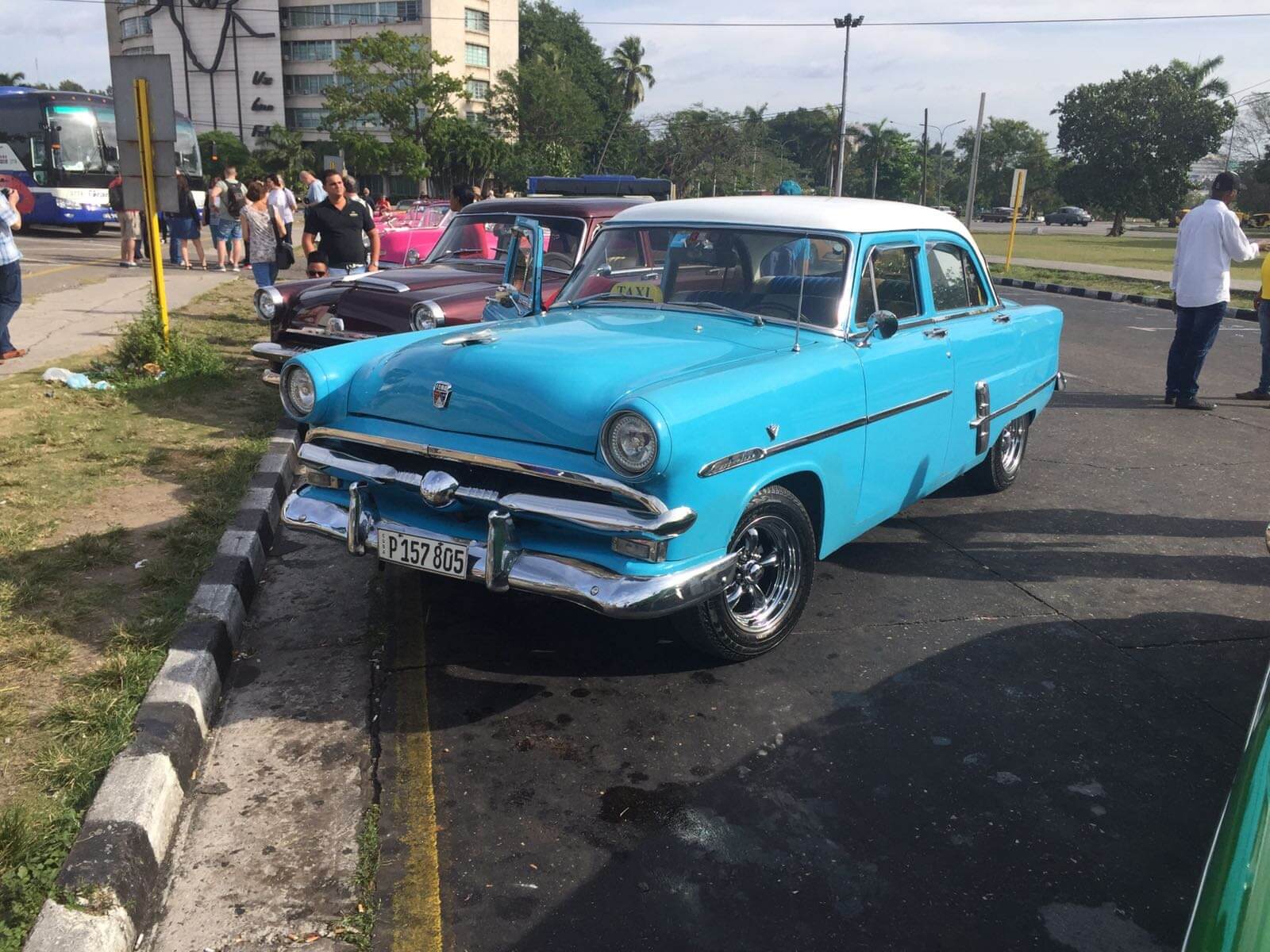
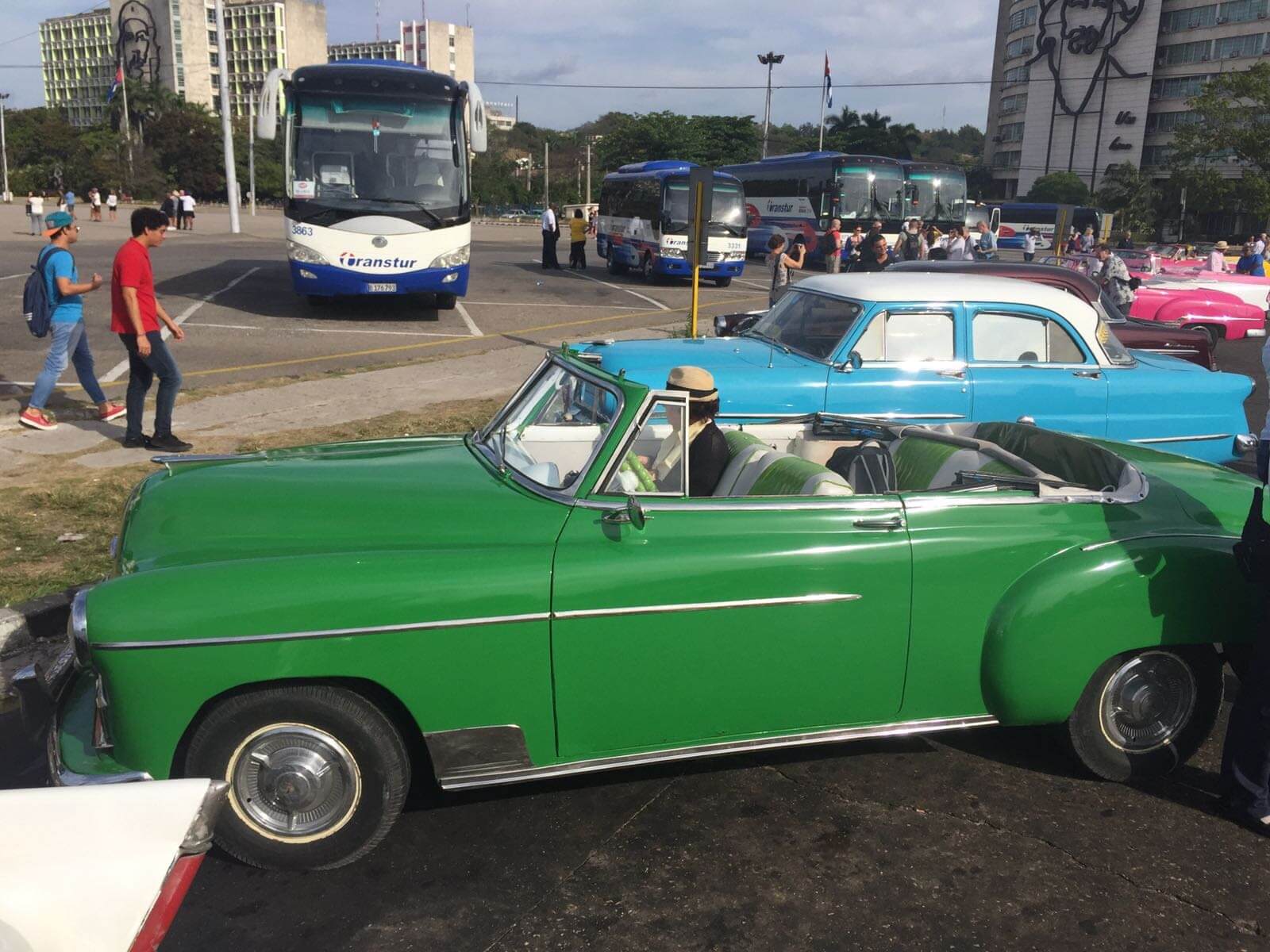
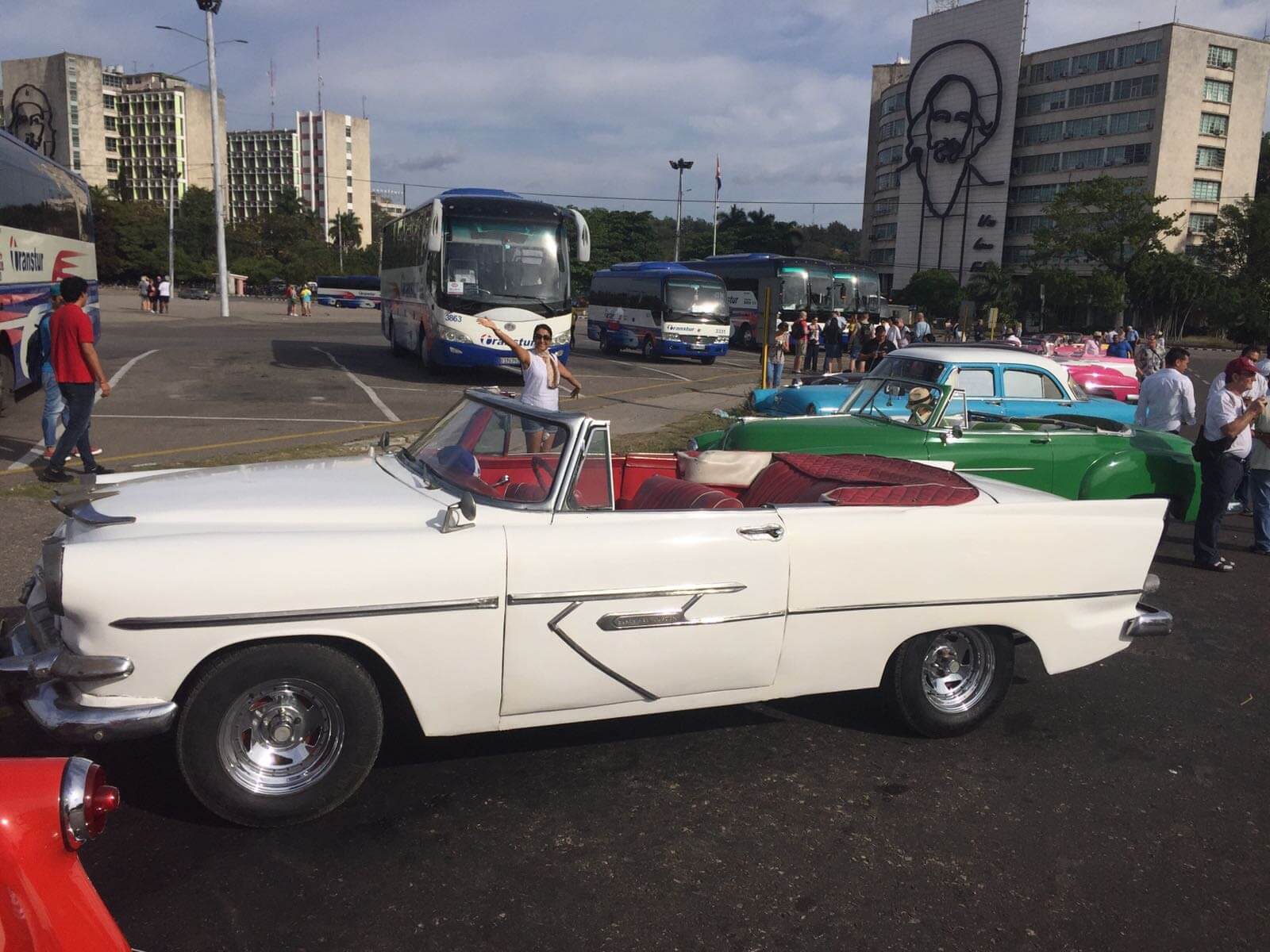
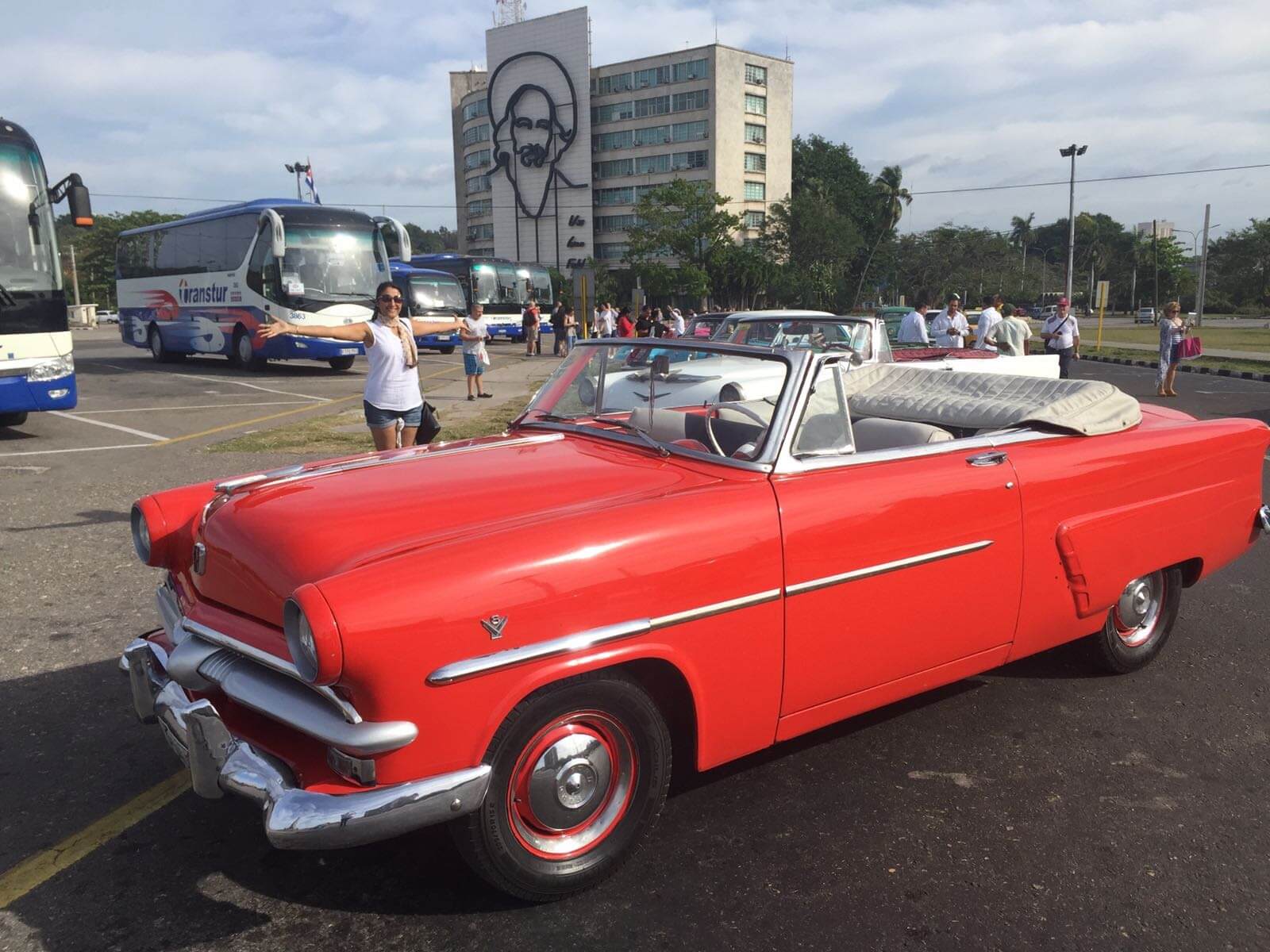
Cuba’s vintage cars and world-renowned tobacco industry capture the essence of the country’s resilience, creativity, and cultural heritage. They are not only captivating symbols of Cuba’s past but also a testament to the resourcefulness and passion of its people. Exploring the streets of Cuba in a classic car and savouring a fine Cuban cigar are experiences that encapsulate the country’s unique charm and timeless allure.
1950s Vintage Cars
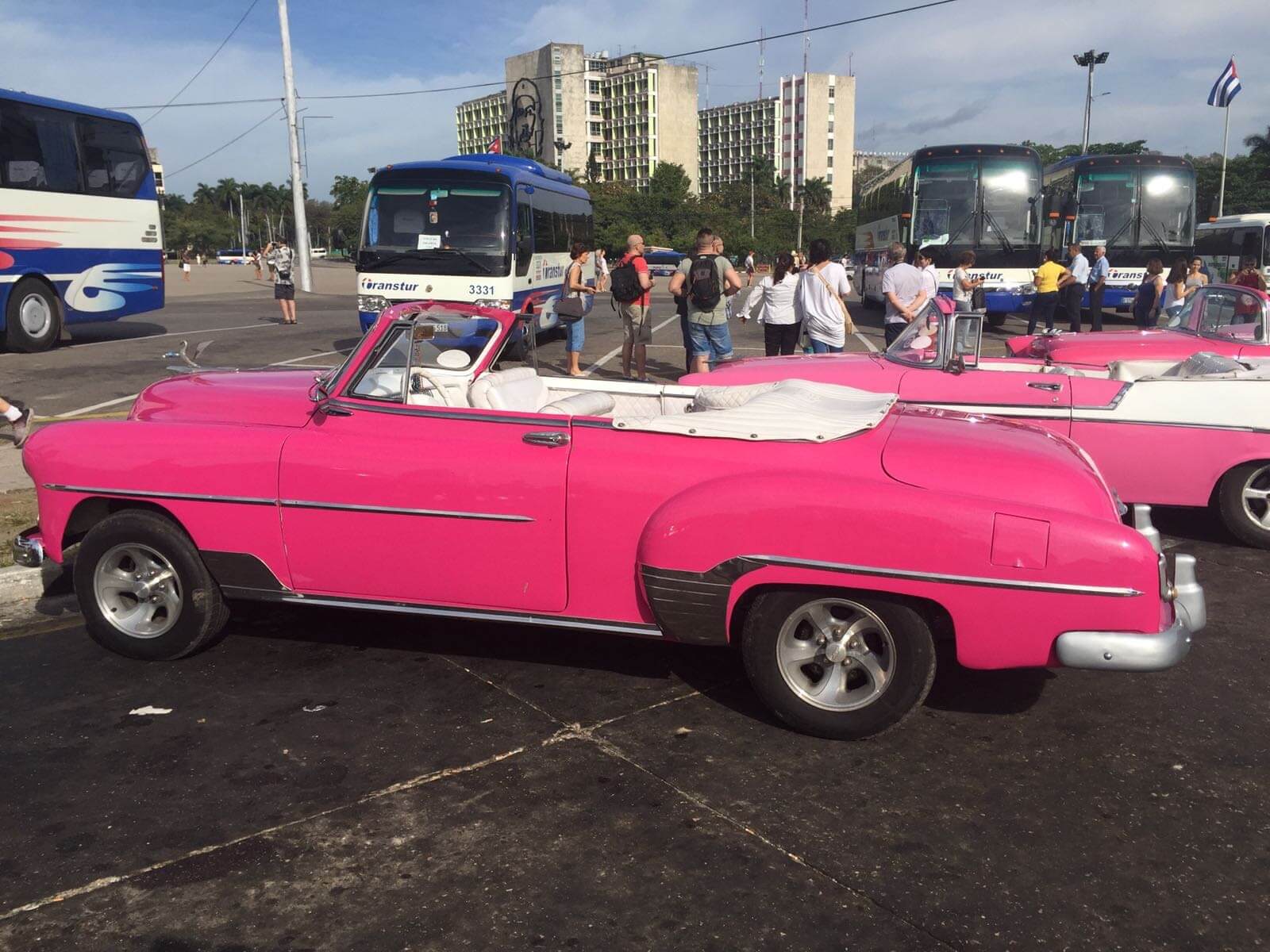
The enchanting collection of vintage cars from the 1950s in Cuba is an iconic sight that effortlessly transports visitors back in time. These meticulously maintained and preserved classic automobiles symbolise Cuba’s resilience and showcase its unique automotive heritage. It’s like wandering through a living museum, where the passage of time seems to have stood still and riding in one of these iconic cars is like stepping into a time capsule. The vibrant colours, sleek curves, and luxurious interiors evoke a sense of nostalgia and glamour. As you cruise through the streets of Havana or explore the countryside, you can’t help but feel transported to a bygone era.
Places Of Interest
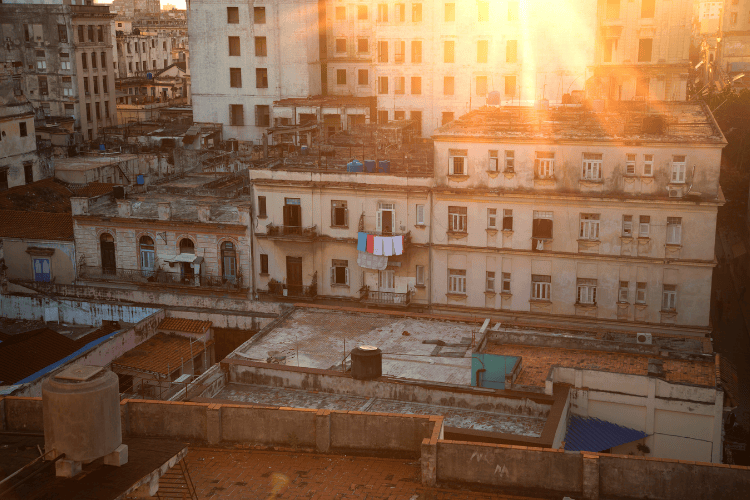
Step back in time as you wander through the cobbled streets of Havana’s historic centre, a UNESCO World Heritage site. Admire the stunning colonial architecture, visit landmarks like Plaza de la Catedral and Plaza de Armas, and explore El Capitolio and Castillo de la Real Fuerza.
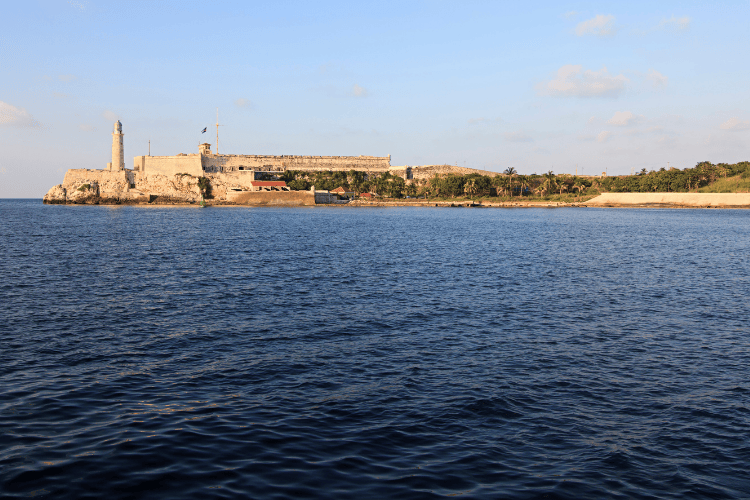
Castillo De Los Tres Reyes Del Morro
Located in Havana, it is a historic fortress offering panoramic views of the city and the entrance to Havana Bay. It is a popular attraction for visitors interested in Cuba’s rich colonial history.
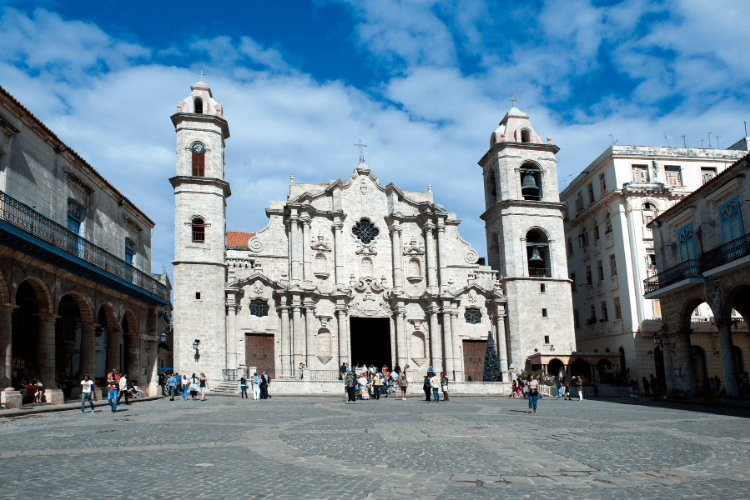
This picturesque square surrounds the stunning Havana Cathedral in the heart of Old Havana. It showcases exquisite colonial architecture and is a hub of cultural activity, making it a must-visit site in Cuba. Book tickets here.

An iconic neoclassical building that once housed the Cuban government. Its grand architecture and towering dome make it a significant landmark and a symbol of Cuban history and culture.

Known as Fábrica de Arte Cubano, this is a vibrant cultural centre in Havana. It showcases diverse artistic expressions, including visual arts, live performances, music, and more, making it a popular destination for art enthusiasts and nightlife seekers.
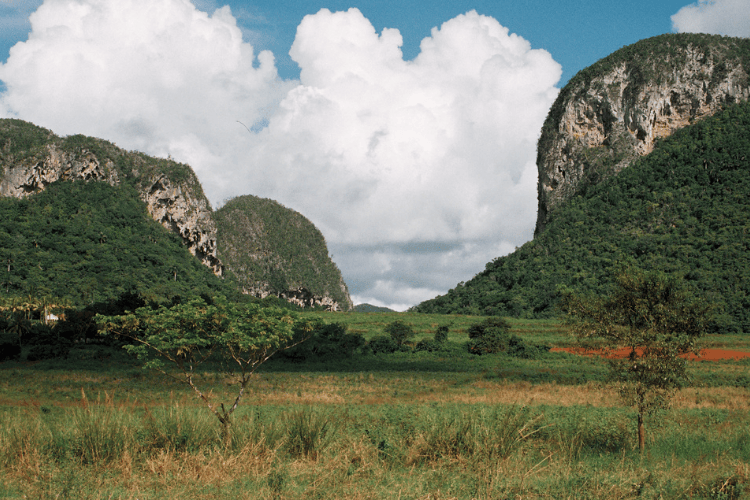
Located in the western part of Cuba, the Viñales Valley is a picturesque landscape of limestone hills, tobacco fields, and traditional rural life. Take a horseback ride or hike through the valley, visit tobacco farms, and explore the enchanting Mogotes—rounded limestone formations unique to the area and underground rivers.
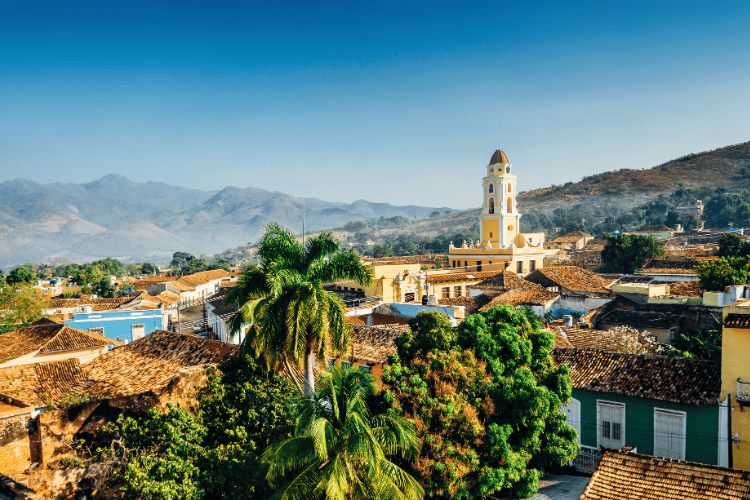
A beautifully preserved colonial town, Trinidad offers a glimpse into Cuba’s rich history. Stroll through the colourful streets, visit the Plaza Mayor, and explore the charming museums housed in old mansions. Take advantage of climbing the bell tower of the Museo Nacional de la Lucha Contra Bandidos for breathtaking views.

Situated on the Hicacos Peninsula, Varadero is famous for its pristine beaches and crystal-clear turquoise waters. It’s a popular resort town with numerous all-inclusive hotels, water activities, and a vibrant nightlife.
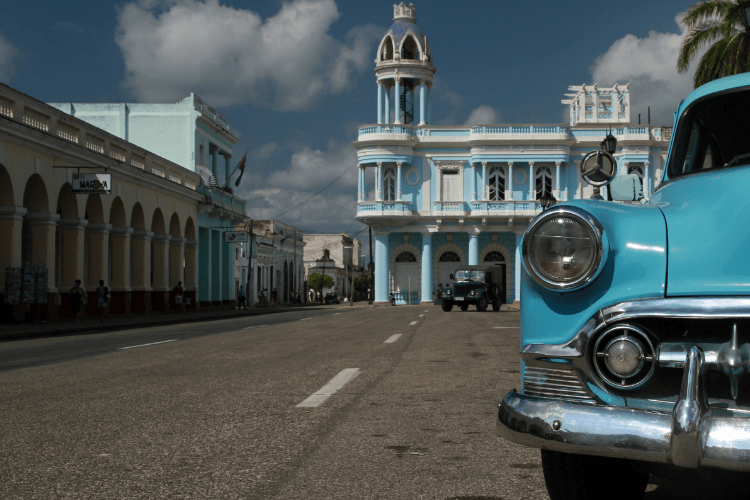
Known as the “Pearl of the South,” Cienfuegos is a coastal city with French architecture and urban layout influences. Explore the beautiful Paseo del Prado, visit the Teatro Tomás Terry, and wander through the historic centre.
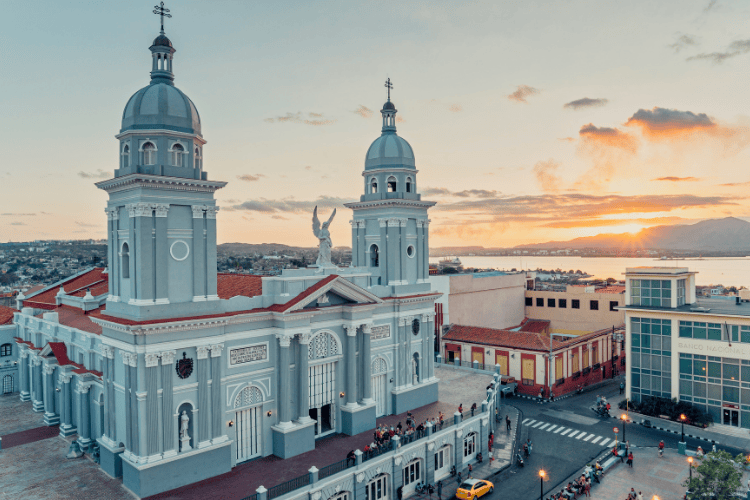
Located in the island’s southeastern part, Santiago de Cuba is known for its Afro-Caribbean culture and vibrant music scene. Visit the historic Castillo de San Pedro de la Roca, explore the city’s lively streets, and experience the famous Carnival of Santiago de Cuba.
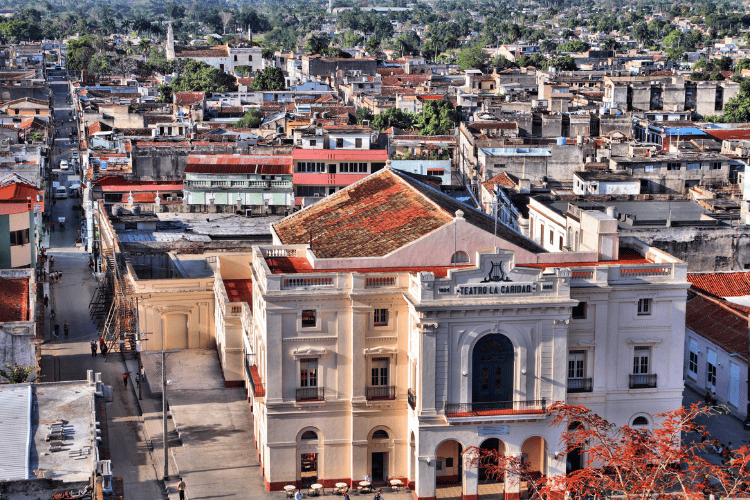
This city is notable for its historical significance as it was the site of the final battle of the Cuban Revolution. Visit the Che Guevara Mausoleum and Museum to learn about the life and legacy of Ernesto “Che” Guevara.
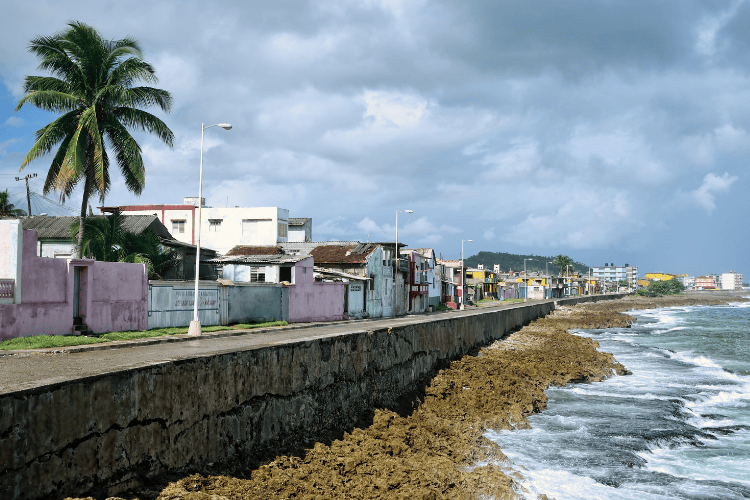
Situated on the eastern coast, Baracoa is Cuba’s oldest city. It offers beautiful beaches, lush rainforests, and scenic hiking trails. Enjoy the famous El Yunque mountain and the region’s stunning natural beauty.
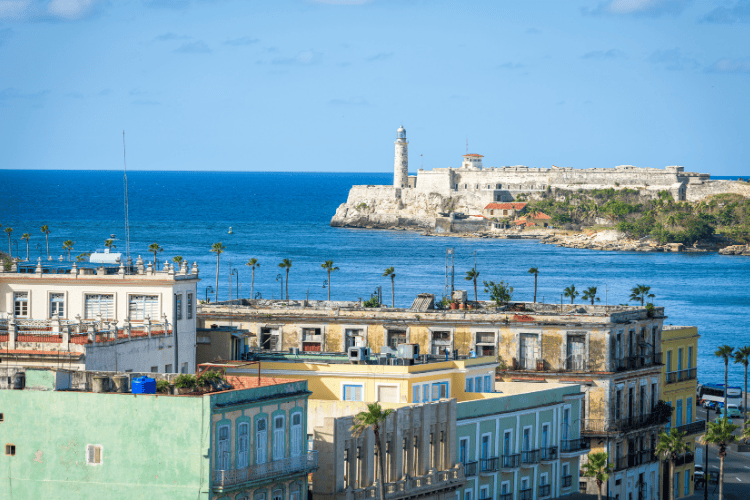
La Cabana Fort – (Fort of Saint Charles)
A massive 18th-century Spanish fortress located on a hill at the harbour entrance in Havana, Cuba. Constructed between 1763 and 1774, it is the third-largest fortress in the Americas and was built to defend Havana after the British briefly captured the city.
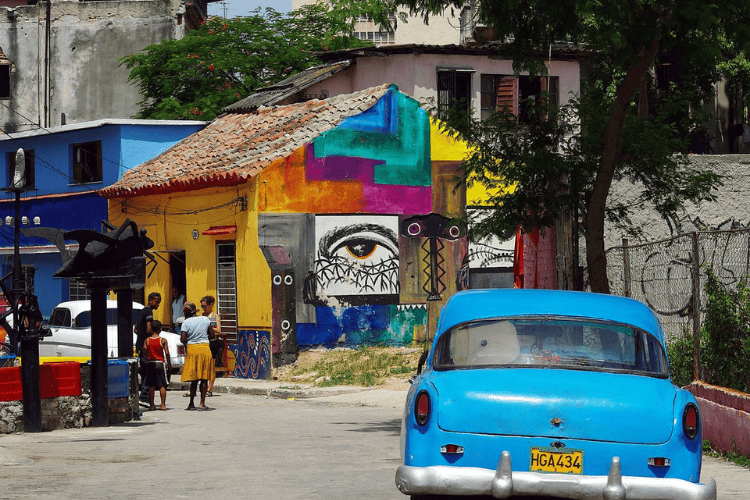
Callejon De Hamel
Callejón de Hamel is a vibrant, two-block alley in Havana’s Centro Habana neighbourhood, renowned as a hub for Afro-Cuban culture and art. Founded in 1990 by artist Salvador González Escalona, it features colourful, surrealist murals, sculptures from recycled materials, and weekly rumba music performances that celebrate African heritage.
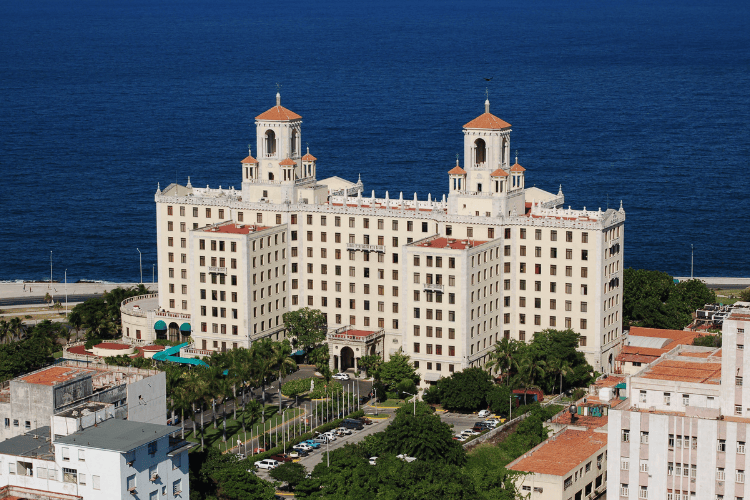
Hotel Nacional de Cuba
Hotel Nacional is a famous hotel in Havana, but it’s also home to one of the city’s best cigar shops called La Casa del Habano.
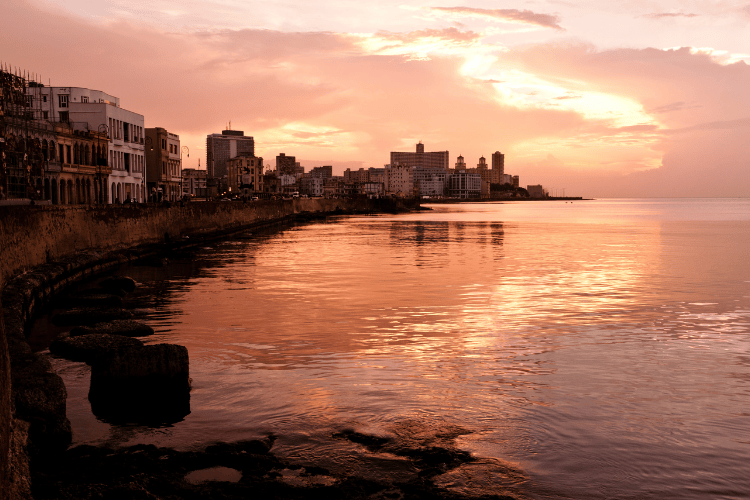
The Malecon in Havana
An iconic 8-km (5-mile) long seawall, roadway, and promenade stretching from Old Havana to the Almendares River, primarily bordering the Centro Habana and Vedado neighbourhoods.
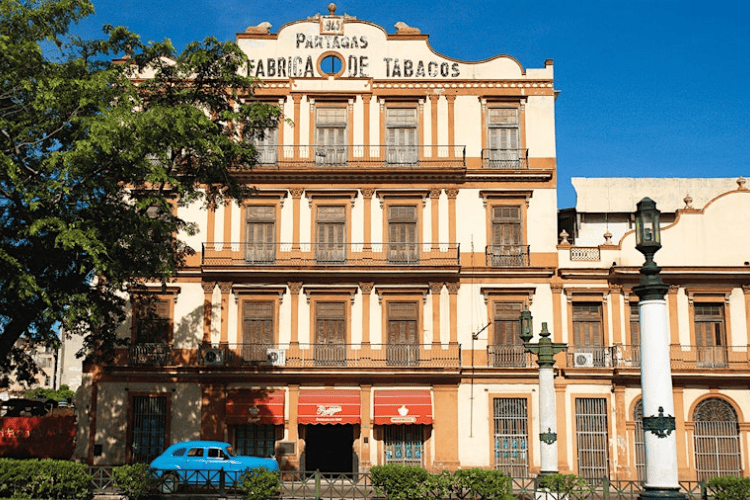
This historic cigar factory is located in the heart of Havana, has been operating since 1845 and offers guided tours that take you through the different stages of cigar production. You can witness the skilled torcedores (cigar rollers) expertly hand-rolling cigars and learn about the intricate process of selecting and ageing tobacco leaves.
Tobacco
Cuba’s connection to tobacco is inseparable from its cultural identity. The country is renowned for its high-quality tobacco used to produce the world-famous Cuban cigars. The fertile soil and ideal climate provide the perfect conditions for growing tobacco leaves with exceptional flavours and aromas.
Visiting a tobacco farm in Cuba is a fascinating experience. In the scenic region of Viñales, you can witness the traditional cultivation and curing processes firsthand. Farmers, known as “vaqueros,” skillfully plant, harvest, and dry the tobacco leaves using age-old techniques passed down through generations. They carefully select and hand-roll the leaves to create cigars that are renowned worldwide for their superior craftsmanship. Alternatively, visiting a cigar factory in Havana is a must to appreciate the artistry and craftsmanship behind Cuban cigars. Witnessing the skilled torcedores (cigar rollers) meticulously hand-roll cigars with precision and expertise is a testament to the country’s rich cigar-making tradition.
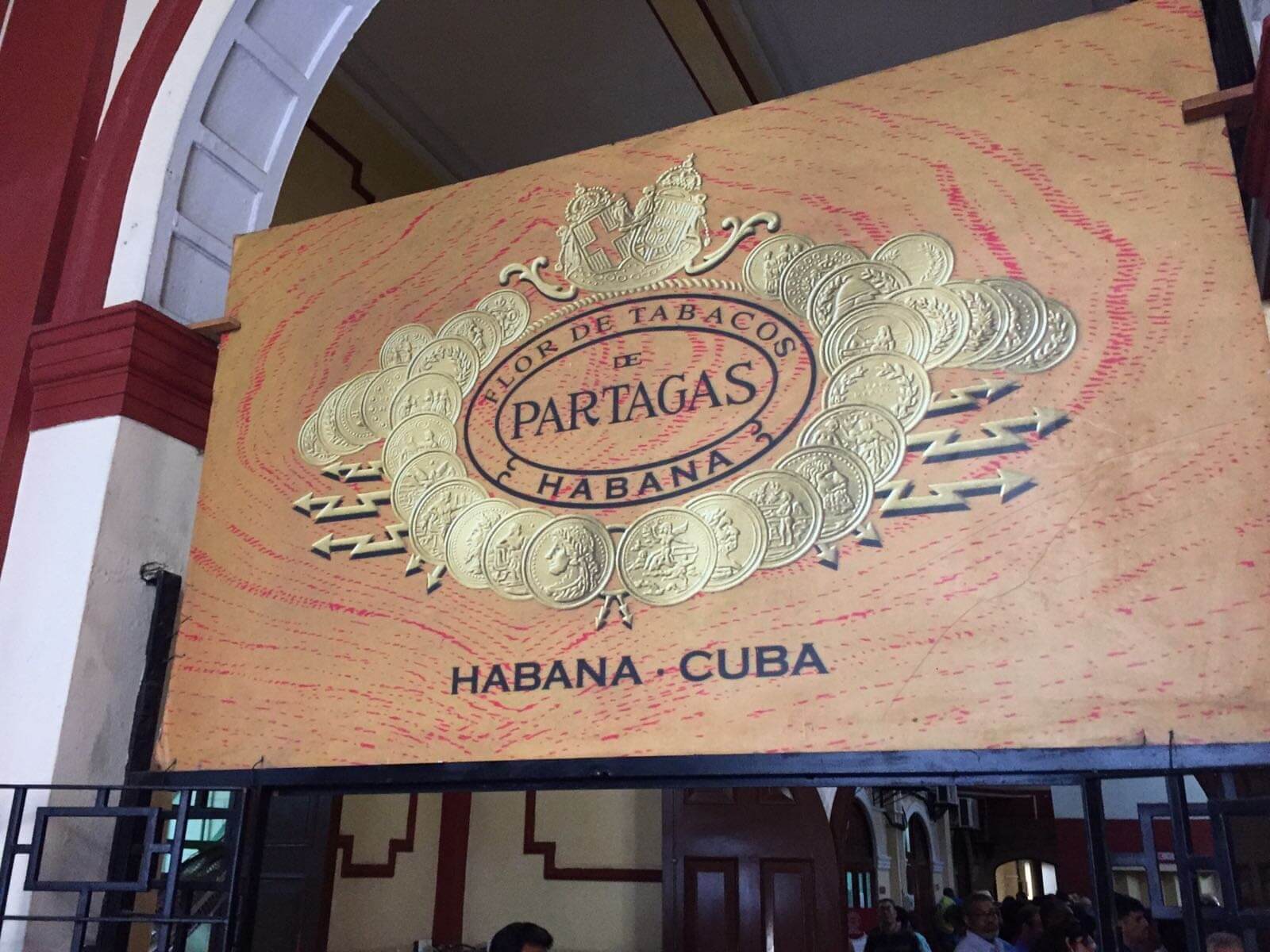
The Partagas Cigar factory is quite an old building, consisting of 4 levels. Unfortunately, no photos or video recordings are allowed, but it is a fantastic experience. On the ground floor, which is also the lobby area, you will witness a group of apprentices rolling out cigars (an apprenticeship typically lasts nine months). As you get to the top floors, the more experienced cigar staff are busily sorting and rolling an abundance of cigars ready to be sold in the market. There are approximately 400 employees, both male and female, making about 20,000 cigars per day and earning USD50-60 per month.
A cigar comes in a variety of sizes from a rolled bundle of dried fermented tobacco leaves, which are either grown in Central America and the islands of the Caribbean, including Cuba. Cigars have three components: the filler, the binder leaf (which holds the filling together) and a wrapper leaf. Once the cigar-making process is complete, a cigar band bearing the manufacturer’s logo is printed and wrapped around the cigar.


Where To Stay
Luxury Hotels
Villa La Rosa hotel is a charming tropical oasis, combining traditional Cuban architecture with modern comforts. Surrounded by lush gardens and offering warm hospitality, it promises an authentic and rejuvenating Cuban experience.
Mid-Range Hotels
Casa Villa Caricia hotel is a delightful boutique retreat showcasing Cuban charm and hospitality. Its cozy rooms, vibrant decor, and friendly staff create an inviting atmosphere for a memorable stay in Cuba.
Budget Hotels
Villa Piña Colada hotel is a tropical paradise where relaxation meets luxury. With its stunning beachfront location, refreshing pool, and delightful cocktails, it’s the perfect destination for a sun-soaked Cuban getaway.
Where To Eat
Paladares: These privately-owned restaurants offer authentic Cuban dishes in a cosy atmosphere. La Guarida in Havana and El Cocinero in Vedado are renowned paladars for their excellent food and unique settings.
La Guarida (Havana): Located in a historic building, this iconic paladar is known for its charming atmosphere and exquisite Cuban cuisine. It gained international fame as the setting for the film “Strawberry and Chocolate.”
El Aljibe (Havana): Known for its mouthwatering roast chicken, El Aljibe is a Cuban institution. This family-friendly restaurant offers a flavorful menu at reasonable prices and is a favourite among locals and visitors alike.
Ivan Chef Justo (Varadero): This popular restaurant in Varadero offers a mix of Cuban and international flavours. It features a relaxed atmosphere, friendly service, and affordable prices, making it a tourist favourite.
Final Thoughts
As our journey through Cuba ends, we reflect on the timeless allure of this captivating island. From Havana’s historic streets to Varadero’s breathtaking beaches, Cuba offers a tapestry of experiences that will leave a lasting impression. The Cuban people’s rich history, vibrant culture, and warm hospitality make it a bucket-list destination. So pack your bags, embrace the rhythm of the Caribbean, and embark on an adventure of a lifetime in captivating Cuba.
Recommended Tours
Some links in this post are affiliate links, which means if you click on the link and purchase an item, I will receive a commission at no extra cost to you. All opinions are my own.