We were lucky to get an opportunity to escape the heat of Abu Dhabi and take a weekend break to travel to Dublin, Ireland. It was the perfect chance to visit the Emerald Isle, and it didn’t take long to get immersed in the Irish culture and its charm.
Ireland’s capital Dublin is a city embracing rich history and culture. It’s where you can experience the old-world charm of Europewhilst enjoying the modern conveniences you would expect from a world-class city. So, whether you’re a historian or looking for some exciting sightseeing opportunities, Dublin has something for everyone.
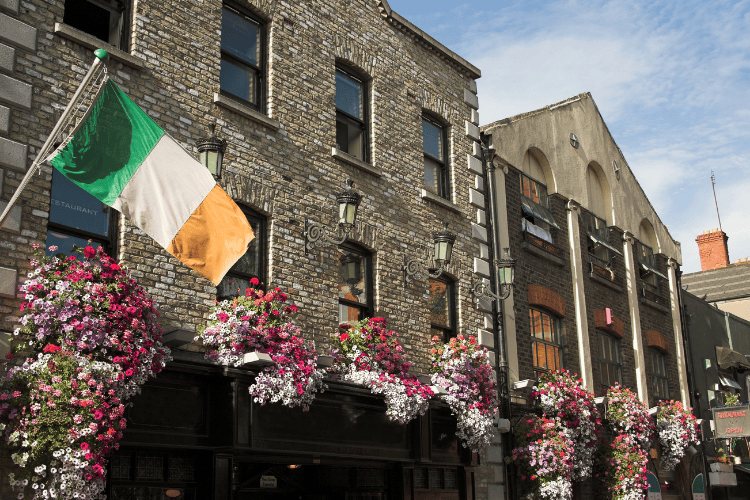
Dublin has produced some of the most iconic artists and historians; with its Viking past and endless folk stories, you will be intrigued by its rich history. Also, as we know, the Irish love their beer and whisky, and with over 1,000 pubs scattered across Dublin, you can truly experience this Irish culture. Our favourite was Kehoe’s, a little authentic pub full of Irish charm in the city. Even though it’s a small capital, it will leave you wanting more.
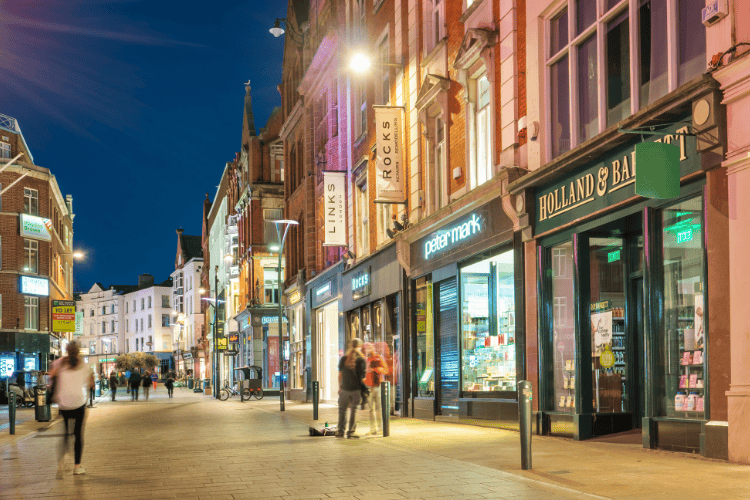
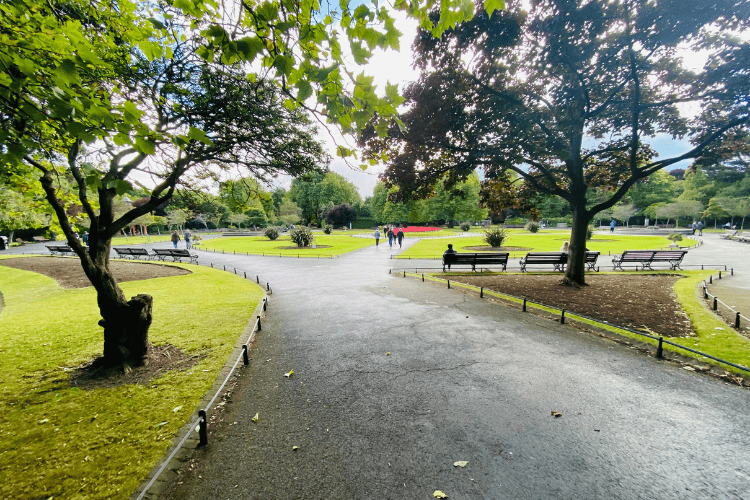
Our Dublin weekend started with a walk through the city centre, where we were immediately impressed by the beautiful architecture and the quaint, old-world feel of the streets. The buildings in Dublin are remarkably well-preserved, many of which date back centuries. We also loved all of the green space in the city centre. Seeing a city that isn’t just concrete and asphalt was refreshing.
How To Get To Dublin
It is easy to get to Dublin either by plane, ferry, train, bus, or car. Dublin airport is the country’s main airport, which is convenient for flights out of London and other major cities. Click either Skyscanneror WayAway for the best flight options.
There are various options to get you into the city once you have arrived at Dublin airport. The cheapest option is the Dublin Express shuttle transfer; the journey takes approximately 40 minutes, depending on the traffic. Alternatively, you can hire a taxi, Uber, or car for your self-drive. A few different boat companies offer trips from ports in theUK andFrance. The journey takes about two days, and you will dock at Dublin Port. Alternatively, you can catch a train fromLondon orParis, which will take you to Dublin Station.
The Best Way To Explore Dublin
Walking Tours
The city centre is easy to navigate, and the best way to get around is on foot. A guided walking tour of Dublin can be a great way to explore and learn about the city from an expert guide. Explore one of these options, either a PaidWalking Tour or aFree Walking Tour.
If you want to venture beyond the city centre, many public transportation options are available, including buses, trains, and trams. Renting a car is also possible if you want more flexibility in your tour when you travel to Dublin. Just be aware that traffic can get very congested during rush hour.
Places Of Interest
Dublin Castle
Dublin Castle is the place to go if you’re looking for a bit of history. It was first built in the 12th century on an earlier Viking settlement site and served as a royal residence for centuries. Over the years, it underwent many changes, most notably in 1684, when it was heavily remodelled in the Baroque style. Dublin Castle is open to the public and houses several museums and art galleries. Visitors can explore the medieval undercroft, learn about Irish history at the National Museum of Ireland or see works by contemporary Irish artists at the Peacock Visual Arts gallery.
Christ Church Cathedral
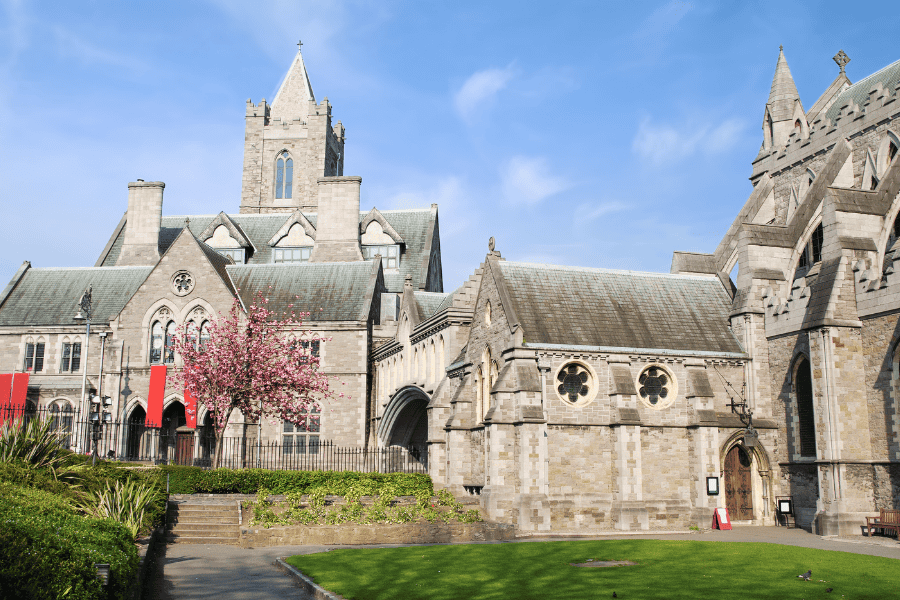
Christ Church Cathedral is a beautiful, historic cathedral and the oldest building in Dublin. The cathedral was built in 1038 by Dublin’s first Christian bishop, Donal McCaughan. The current structure was rebuilt in 1172 by Norman invaders, and it has been renovated many times over the years. As a result, Christ Church Cathedral is now a stunning mix of styles, from Gothic to Romanesque to Baroque.
Dublinia
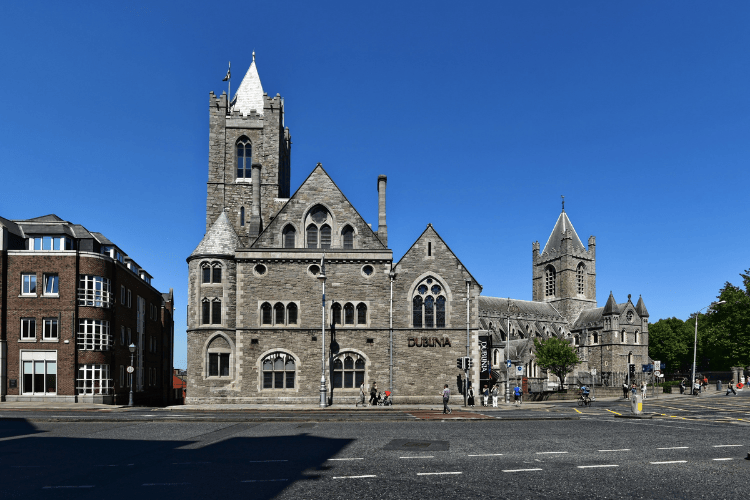
Dublinia is a living history museum located in the heart of Dublin, Ireland. The museum tells the story of the medieval city of Dublin, from the time of the Vikings to the English Reformation. Visitors can explore replicated Viking houses, see what life was like in a medieval town, and learn about the people who lived there. The museum also has an exhibit on Saint Patrick, Ireland’s patron saint.
St Patrick’s Cathedral
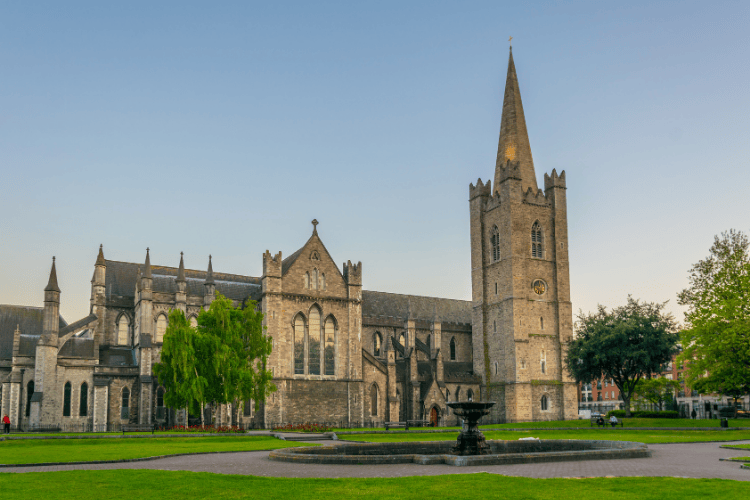
St. Patrick’s Cathedral is the largest and most prominent church in Dublin, Ireland. It is also one of the most notable landmarks in the country. The interior is stunning, with a large nave, dramatic stained-glass windows, and beautifully carved stone details.
Kilmainham Gaol
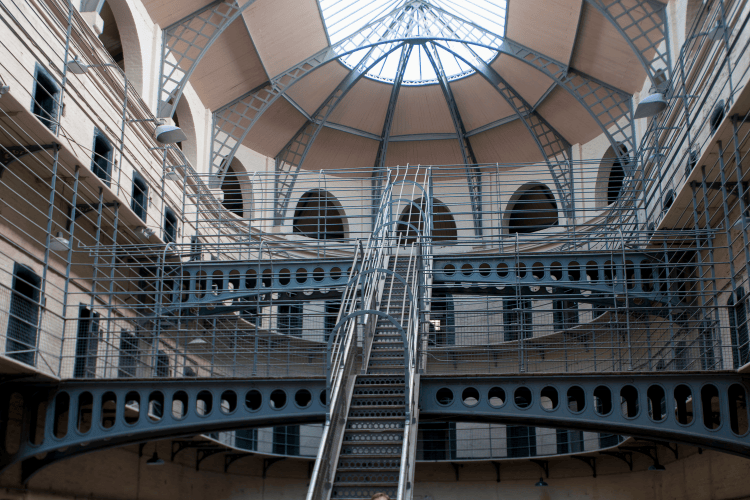
Kilmainham Gaolin Dublin, Ireland, is a former prison that now operates as a museum. The jail was originally built in the 18th century and was used to hold political prisoners during the Irish Civil War. Kilmainham Gaol was also the site of executed rebel leaders during the Easter Rising of 1916. Today, visitors can tour the jail and learn about its history.
Guinness Storehouse
If you’re a fan of Guinness beer or the famous Irish “Black Gold”, visiting the Guinness Storehouse is a must! This seven-story facility is related to the world-famous Irish brew with a brewing academy, a restaurant, a gift shop, and a Guinness Tasting Experience to learn about brewing and its history. Book tickets here.
Trinity College
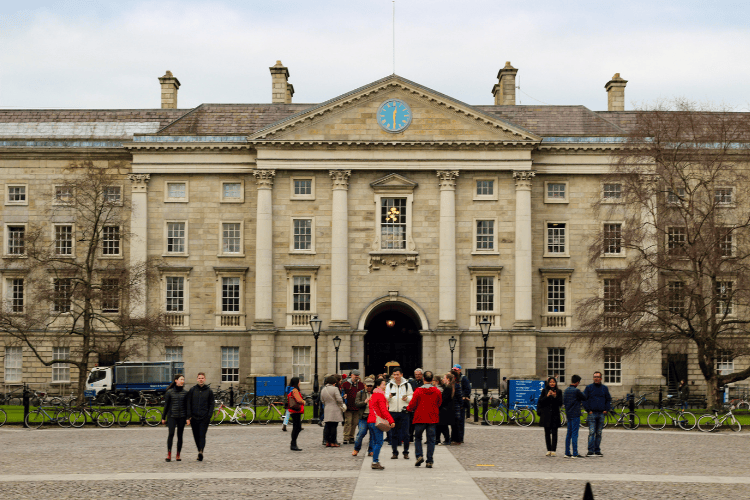
Known for its rich history and as one of the oldest universities in the world, Trinity College in Dublin is home to the Long Room, one of the world’s most iconic libraries.
The Long Room & Book of Kells
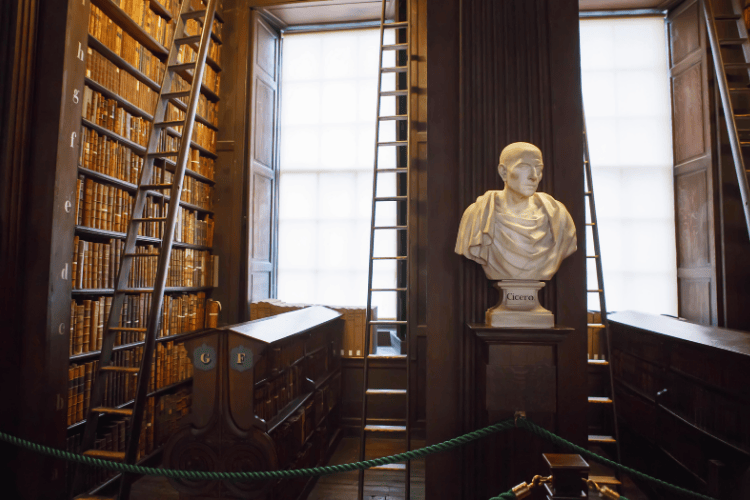
The Long Room is 240 feet long and holds more than 200,000 of the Library’s oldest books. It is also beautifully ornate, with a barrel-vaulted ceiling and marble busts of some of Ireland’s most famous writers and thinkers. Here you can see a cultural treasure of Ireland, the Book of Kells, a collection of medieval manuscripts of the Four Gospels dating back from the 9th century.
The Harp
On permanent display in the Long Room is the 15th-century so-called medieval ‘Brian Boru’ Harp, the symbol of Ireland.
Molly Malone Statue
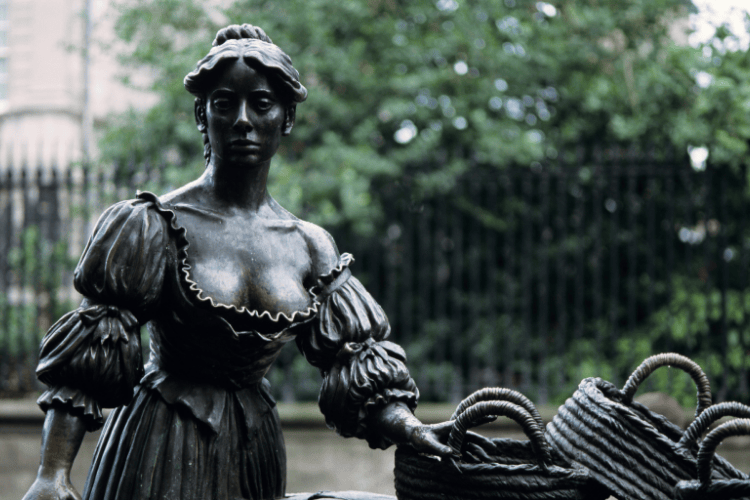
Molly Malonewas a fictional character created in the 19th century, based on a real woman who was a fishmonger in Dublin. She became known as the “tart with the cart,” and her legend grew over the years. The Molly Malone Statue was erected in 1987 to commemorate her place in Irish folklore.
Grafton Street
Grafton Street is home to some of Ireland’s iconic stores, including Brown Thomas, Marks & Spencer, and Swarovski. Apart from the great shopping, it’s a popular spot for street performers and buskers – you’ll often find musicians and magicians plying their trade on the pavements here.
St Stephen’s Green
St Stephen’s Green is a public park in the centre of Dublin. The park was originally swampy land that was converted into a garden in 1633. Saint Patrick’s Cathedral and Trinity College are located close to this site. St Stephen’s Greenis also home to several monuments and statues, including the Fusiliers’ Monument, the memorial to Charles Stewart Parnell and the Three Guerrilla Girls sculpture.
Temple Bar District
The Temple Bar District is located in the heart of Dublin, and it’s a place where you can find some of the city’s best restaurants, pubs, and nightlife. The district gets its name from the Temple Bar Pub, one of Dublin’s oldest and most famous pubs.
River Liffey
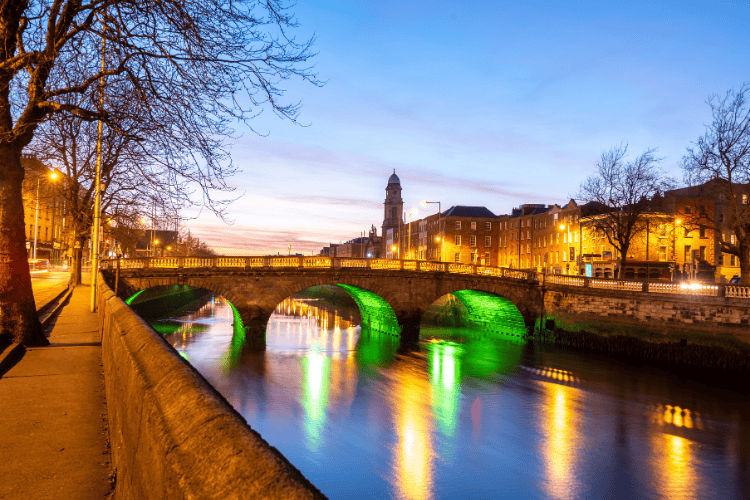
The heartbeat of Dublin is the River Liffey, dividing the capital into the northern and southern parts of the city. Great to take a stroll along the Liffey River to explore and admire the town, steeped in Irish history.
Irish Whiskey Tours
There are many whiskey tours in Dublin; Jameson Distillery on Bow Street is the most popular. Unfortunately, there were no tickets available the day we were there for this distillery, so we highly recommend booking in advance. Still, we were lucky to get tickets for the Irish Whiskey Museum, which was great, and there is also Teeling Whiskey Distillery.
Look no further than Westin Dublin for a luxurious and pampering stay in Dublin. This 5-star hotel boasts elegant and stylish accommodations, first-class service, and delicious on-site dining options. Plus, the hotel is in an ideal location, central to almost everything, with many bars, restaurants, and shopping steps away.
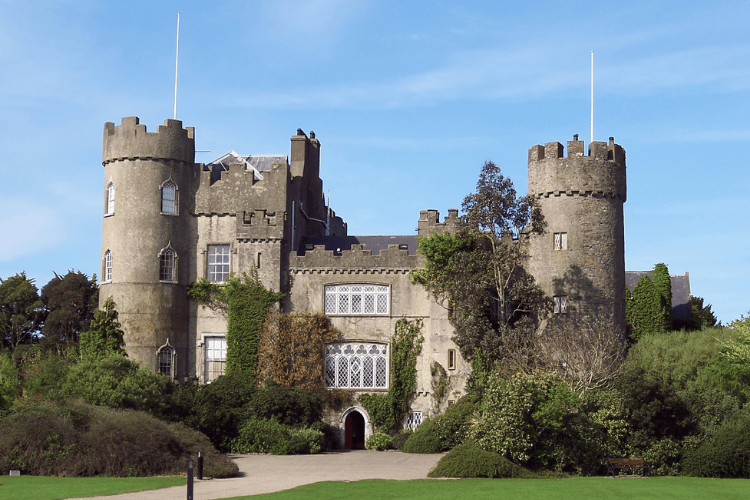
Clontarf Castle Hotel is a 4-star hotel located in the beautiful suburb of Clontarf, just a short drive from the city centre. The castle dated back to 1172 and was carefully restored to its former glory. The hotel offers a variety of rooms and suites to choose from, each decorated with period furnishings and works of art. There are also on-site restaurants that serve Irish and international cuisine. Guests can enjoy stunning views of the castle grounds from their rooms or stroll through the manicured gardens.
The Iveagh Garden Hotelis also one of Dublin’s most unique and remarkable hotels. Situated in the city’s heart, this 3-star hotel boasts a magnificent setting within its private gardens. The gardens are exquisitely landscaped and provide the perfect place to relax and escape the hustle and bustle of city life. They also offer an excellent backdrop for photographs!
Where To Eat
Dublin has something for everyone, whether you’re looking for a romantic night out or a cheap meal on the go. Here are some of the best places to eat in Dublin, based on your budget and style:
Fine Dining: If you’re looking to splash out and enjoy a luxurious evening of fine dining, Restaurant Patrick Guilbaud is often regarded as one of the best European restaurants and offers an exquisite culinary experience with prices to match. Alternatively, The Cliff House Hotel features stunning views over Howth Head and an award-winning restaurant that provides a memorable dining experience.
Casual Eats: If you’re after something more casual, Dublin has no shortage of pubs and eateries to suit your needs. Bewley’s Cafe on Grafton Street is a popular spot for a quick bite, serving Dubliners since 1927. Another great option is The Woollen Mills, located by the Ha’penny Bridge – perfect for people-watching with a pint. Then, for something a little different, check out street food markets like the Dublin Coddle Market or the Temple Bar Food Market, where you can sample some of the best local produce and international cuisine.
Budget: Dublin is considered an expensive city, but you can still eat on a budget. Soma at The Spire, located on O’Connell Street, is one of the best options for cheap eats. This restaurant offers fantastic value for money, with a menu that changes daily to keep things interesting. Another excellent budget option is the Dublin Cookery School, where you can enjoy a cooking class and tuck into a delicious meal afterwards.
Vegetarian and Vegan: Dublin has a growing number of vegetarian and vegan-friendly restaurants, so it’s easy to find a meal to suit your dietary requirements. One of the best places for the vegetarian fare is Cornucopia, located on Wicklow Street. This restaurant has been serving healthy, wholesome food for over 25 years and offers a great selection of vegan and vegetarian dishes.
Final Thoughts
Dublin is the capital city full of history and culture. It is also a beautiful city, with plenty of green space and lively neighbourhoods. Additionally, Dublin is a great place to visit if you are interested in literature, as it is the home of many famous writers, including James Joyce and Oscar Wilde. And, of course, no trip to Dublin would be complete without trying a pint of Guinness!
Some links in this post are affiliate links, which means if you click on the link and purchase an item, I will receive a commission at no extra cost to you. All opinions are my own.
Love our content?
Your donation funds our travel guides, sustainability efforts, and website upkeep. Thank you for your support!